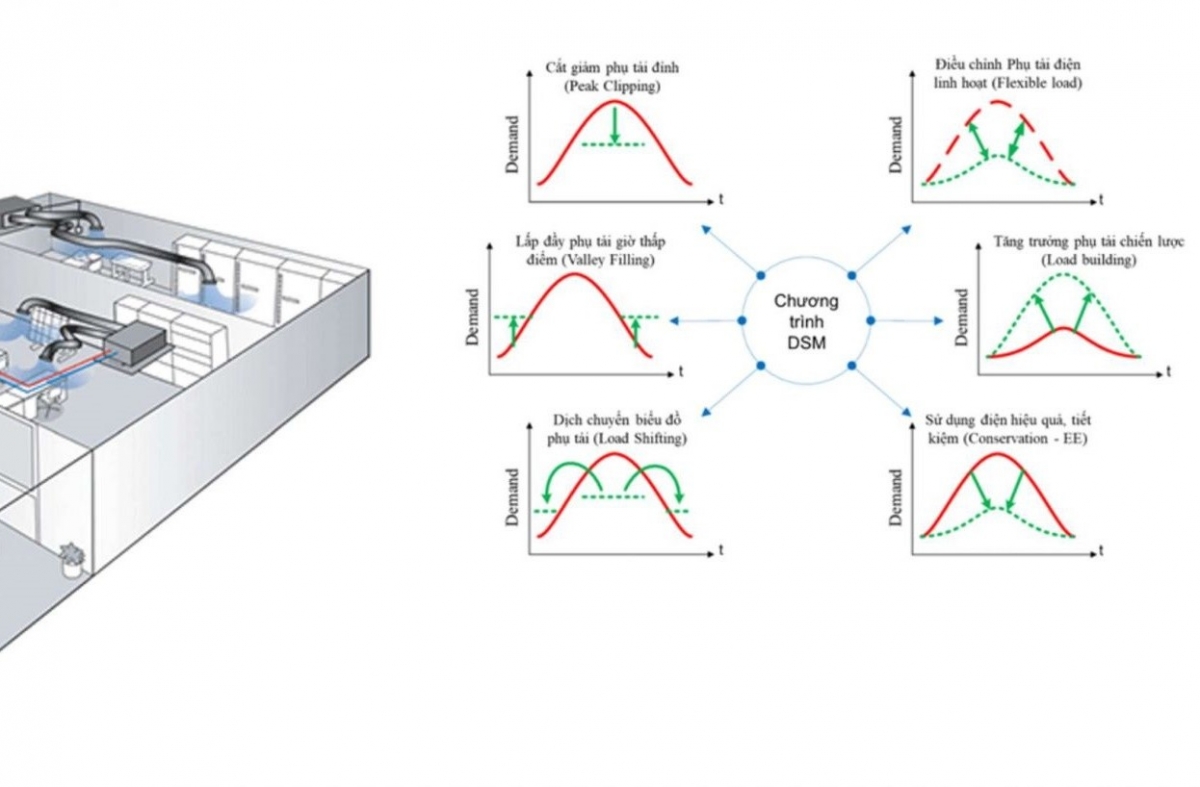
Vietnam's First Fuel: The Cheapest and Cleanest Energy Source
In the face of numerous challenges in ensuring electricity supply and energy security, using energy efficiently has emerged as Vietnam's first fuel—the cheapest, cleanest, and most quickly deployable energy source. This important message was emphasized at the seminar "Energy Conservation Requires the Joint Participation of the Whole Society" organized by the Ministry of Industry and Trade on June 16, 2026.
Pressures on Electricity Supply and Energy Security
Vietnam is entering a phase of high-speed economic development, accompanied by a strong increase in energy demand. According to forecasts, the country's electricity demand will continue to grow by approximately 8-10% annually over the next decade. However, the energy supply, particularly electricity, is facing multiple pressures from climate change, dependence on fossil fuels, and the need for significant infrastructure investment.
Ms. Tran Thi Huong - Deputy Minister of Industry and Trade stated: "We are facing a dual challenge of ensuring sufficient electricity to serve socio-economic development while reducing greenhouse gas emissions to fulfill our commitments at COP26. In this context, energy conservation is no longer a temporary solution but has become an important strategy for green growth and sustainable development."
The First Fuel: The Cheapest and Cleanest Energy Source
The concept of "first fuel" has been internationally recognized and widely applied. This term refers to the energy created through conservation and efficient use, rather than building new power plants.
According to experts at the seminar, the "first fuel" has outstanding advantages:
- Lowest cost: The cost to save 1 kWh of electricity is often much lower than producing 1 kWh from traditional sources.
- Cleanest: Helps reduce greenhouse gas emissions, contributing to climate change mitigation and environmental protection.
- Fastest to deploy: Energy conservation solutions can be implemented quickly without the long time required to build infrastructure.
- Energy security: Reduces dependence on imported fossil fuels, enhancing national energy security.
| Comparative Index | Traditional Energy Sources | First Fuel (Energy Conservation) |
|---|---|---|
| Implementation Time | 3-7 years (for power plants) | Several months to 1 year |
| Investment Cost (VND/kWh) | 3,000 - 5,000 | 500 - 1,500 |
| CO2 Emissions (gCO2/kWh) | 700 - 1,000 (coal) | 0 - 50 |
| Environmental Impact | Negative | Neutral to positive |
Seminar: "Energy Conservation Requires the Joint Participation of the Whole Society"
The seminar organized by the Ministry of Industry and Trade on June 16, 2026, brought together the participation of ministries, sectors, businesses, experts, and international organizations. The event provided an opportunity for parties to exchange experiences and discuss solutions to promote energy conservation in Vietnam.
At the seminar, many opinions were emphasized, highlighting the importance of mobilizing the participation of the entire society in energy conservation. Mr. Nguyen Van Hung - Chairman of the Vietnam Energy Association shared: "Energy conservation is not the responsibility of the electricity sector alone but requires the joint participation of all ministries, sectors, localities, and people. We need to build a complete ecosystem to promote energy conservation."
Solutions to Promote Energy Conservation
At the seminar, specific solutions to promote energy conservation were proposed:
1. In the Industrial Sector
- Applying advanced energy-saving technologies in production
- Supporting mechanisms for enterprises to renovate technology and use energy-saving equipment
- Building effective energy management systems for enterprises
2. In the Construction Sector
- Applying energy-saving standards for new construction works
- Encouraging renovation and upgrading of old works to save energy
- Developing energy-saving construction materials
3. In the Transportation Sector
- Developing high-quality public transportation
- Encouraging the use of electric vehicles
- Modernizing intelligent transportation systems
4. In the Residential Sector
- Communicating to raise community awareness about energy conservation
- Supporting people to use energy-saving electrical equipment
- Implementing programs to replace incandescent bulbs with LED lights
International Experience and Lessons for Vietnam
Many countries around the world have successfully applied the model of energy conservation as the first fuel. Singapore, Thailand, and Malaysia have achieved significant results in energy conservation through coordinated and decisive policies.
Ms. Nguyen Thi Kim Dung - an energy expert from the United Nations Development Program in Vietnam shared: "We can learn from the experience of other countries in building legal frameworks, incentive mechanisms, and mobilizing resources for energy conservation. In particular, it is necessary to have reasonable electricity price policies to create motivation for energy conservation."
Vision and Goals for 2030
According to the plan presented at the seminar, Vietnam aims to save 5-7% of total energy consumption by 2030, equivalent to reducing emissions by approximately 30-40 million tons of CO2.
Mr. Le Van Tai - Director of the Energy Department stated: "We are building a General Strategy on Energy Conservation and Efficient Use to 2030, with a vision to 2050. This strategy will focus on improving institutions and policies; developing the energy service market; enhancing the application of science and technology; and raising community awareness."
Conclusion
Viewing energy conservation as the "first fuel" with the lowest cost and cleanest character is not only a temporary solution to electricity supply pressures but also a long-term strategy for Vietnam's sustainable development. With the joint participation of the whole society, from authorities to businesses and citizens, Vietnam can fully exploit this "energy source," contributing to ensuring energy security and minimizing environmental impacts.
Deputy Minister Tran Thi Huong emphasized: "We need to change our mindset, viewing energy conservation as a new industry, a new economic development field. Investing in energy conservation is investing in the green and sustainable future of the country."