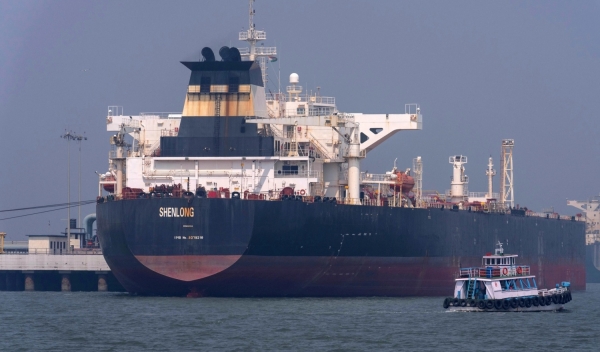
Gulf Region Oil Exports Surge to Peak in June
In the midst of ongoing global energy market volatility, oil exports from the Gulf region have shown significant positive momentum in June. While still 40% below pre-conflict levels, the latest data reveals that exports from this strategic region increased by more than 3 million barrels per day compared to May, surpassing the 10 million barrels per day threshold.
Factors Behind Export Growth
This remarkable growth is attributed to robust support from the United States military in maintaining oil flow through the Strait of Hormuz, one of the world's most critical oil transportation routes. The enhanced security measures for oil tankers have created favorable conditions for export operations across the Gulf nations.
June Oil Export Data
| Month | Exports (Million Barrels/Day) | Change from Previous Month (Million Barrels) | Compared to Pre-Conflict Levels (%) |
|---|---|---|---|
| May | 7.2 | - | - |
| June | 10.5 | +3.3 | -40% |
Impact on Global Markets
The increased oil exports from the Gulf region hold significant implications not only for the countries in the area but also for global oil prices. This recovery in oil production and exports could help alleviate pricing pressures, particularly as energy demand continues to rise with many nations recovering from the pandemic.
Regional Economic Implications
The Gulf countries, heavily dependent on oil revenues, stand to benefit from this export surge. Nations such as Saudi Arabia, Iraq, and the United Arab Emirates, which have been working to stabilize production despite geopolitical challenges, may see improved fiscal positions. This could potentially accelerate economic diversification efforts in the region.
Geopolitical Considerations
The security situation in the Gulf remains a critical factor for sustained export growth. The Strait of Hormuz, through which approximately 20% of global oil supplies pass, continues to be a focal point of geopolitical tensions. The ongoing cooperation with international naval forces has been instrumental in maintaining the stability necessary for consistent oil exports.
Market Outlook
Energy analysts suggest that while this represents a positive development, the Gulf region's oil exports face numerous challenges in returning to pre-conflict levels. These include production capacity constraints, ongoing geopolitical tensions, and the global transition toward renewable energy sources.
Conclusion
While oil exports from the Gulf region have yet to return to pre-conflict levels, the substantial growth observed in June serves as an encouraging sign for the area. Gulf oil-producing nations will need to continue maintaining stability and security in transportation routes to ensure uninterrupted oil flow.
Further developments in the global oil industry will be closely monitored, particularly the impacts of geopolitical factors and worldwide economic conditions on energy markets.