Energy Storage Payment Models: Global Success Stories and Vietnam's Path Forward
In the context of energy transition and renewable energy development, energy storage systems (BESS - Battery Energy Storage System) are playing an increasingly important role. However, questions regarding payment mechanisms for these systems still present numerous challenges. Following previous articles on the pricing framework for solar power integrated with BESS and mechanisms for recognizing the value of energy storage in the power system, this article analyzes successful payment models worldwide and proposes a suitable path for Vietnam.
The Strategic Role of Energy Storage
Energy storage systems are becoming an indispensable element in modern power systems, especially as the proportion of renewable energy such as solar and wind power increases rapidly. Energy storage addresses the intermittency issues of renewable sources, provides ancillary services to the power system, and supports the integration of distributed energy resources.
According to experts, the global energy storage market is developing at an impressive rate, projected to reach 356.7 GWh by 2030, growing at a compound annual growth rate (CAGR) of 31.7% from 2022 to 2030.
Common Types of Energy Storage
Worldwide, many types of energy storage are being applied, with the most common including:
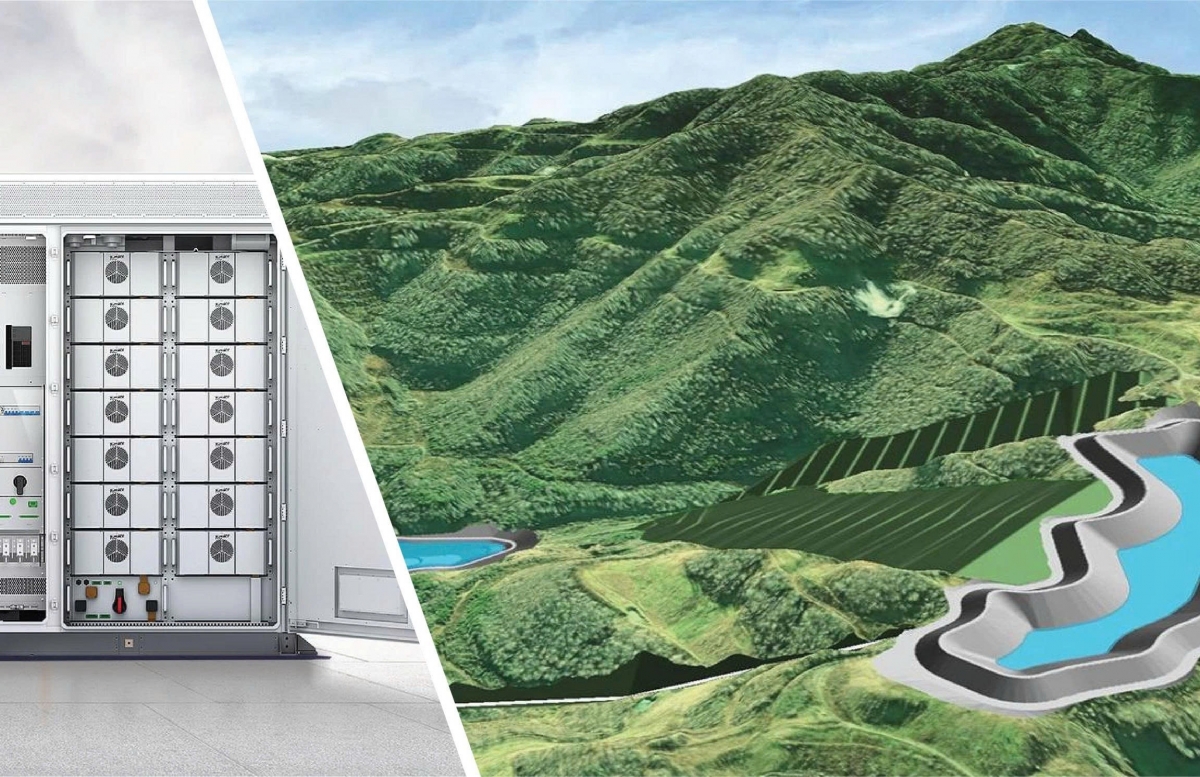
- Battery Energy Storage Systems (BESS): Characterized by fast response times, high efficiency, and flexibility in deployment
- Pumped Hydro Storage (PHS): The largest-scale storage type currently, accounting for approximately 90% of global storage capacity
- Thermal Storage: Applied in industrial settings and distributed thermal systems
- Compressed Air Energy Storage (CAES): Capable of large-scale storage
- Hydrogen Storage: An emerging technology with significant future potential
Payment Mechanisms for Energy Storage
Revenue from energy storage projects comes not only from electricity sales but also from ancillary services such as:
- Capacity reserves provision
- Frequency regulation services
- Voltage support services
- Energy arbitrage
- Ancillary services
However, establishing appropriate payment mechanisms for these services remains a significant challenge for many countries, particularly developing markets.
Four Successful Payment Models Worldwide
1. Australia's Ancillary Services Market Model
Australia has developed an ancillary services market where energy storage systems can participate in multiple ancillary services simultaneously. This model allows storage operators to engage in various services at once, maximizing revenue.
| Service Name | Response Time | Reference Price |
|---|---|---|
| Regulation - Fast | 6 seconds | 1,500 - 3,000 AUD/MW |
| Regulation - Slow | 30 seconds | 800 - 1,500 AUD/MW |
| Frequency Control | 5 minutes | 200 - 500 AUD/MW |
| Short Operating Reserve | 5 minutes | 100 - 300 AUD/MW |
The success of this model lies in its transparency and competitive nature, allowing investors to clearly identify potential profits from storage projects.
2. California's Capacity Market Model
California has implemented a Capacity Market program that allows energy storage systems to participate as capacity providers. Developers can sign long-term contracts with the grid operator to provide capacity reserves during peak hours.
Key features of this model:
- Contract duration: 3-5 years
- Fixed contract pricing
- High reliability requirements
- Performance-based payment mechanisms
This model helped California achieve its target of 1,325 MW of storage capacity by 2020, exceeding its original goals.
3. The UK's Value Sharing Model
The United Kingdom has implemented a value sharing mechanism that allows energy storage systems to participate in multiple energy markets simultaneously. This model calculates the total value that the storage system brings to the power system and shares this value among stakeholders.
| Service | Revenue Percentage | Risk Level |
|---|---|---|
| Energy Arbitrage | 40-50% | Low |
| Frequency Response | 25-35% | Medium |
| Capacity Market | 15-25% | High |
| Other Services | 5-10% | Low |
This model has driven strong growth in the UK's energy storage market, with total installed capacity exceeding 2 GW by 2022.
4. Germany's Tender System Model
Germany has implemented a tender system where storage project developers can participate in tenders organized by the grid operator. This model focuses on the most needed services of the power system and ensures fair competition.
Special features of this model:
- Tenders are held regularly (typically quarterly)
- Transparent and competitive process
- Priority given to projects with the highest service value
- Quality assurance mechanisms for services
This model helped Germany achieve its 5 GW storage capacity target by 2025, two years ahead of schedule.
Which Model for Vietnam?
Vietnam faces significant challenges in developing payment mechanisms for energy storage. Below is an analysis of suitable options:
Analysis of Vietnam's Context
- Vietnam's power system is developing rapidly with a strong increase in solar power generation
- The grid infrastructure is not yet commensurate with the development speed of renewable sources
- The electricity market mechanism is not yet complete, especially for ancillary services
- Demand for power system stability is increasing
Proposed Suitable Model
Based on international experience and Vietnam's context, the following combined model is proposed:
| Phase | Proposed Model | Rationale |
|---|---|---|
| 2023-2025 | Ancillary Services Pricing | Building initial foundations, simplified management |
| 2026-2030 | Value Sharing Model | Maximizing benefits for stakeholders, suitable for developing markets |
| Post-2030 | Ancillary Services Market | Suitable for complete, competitive electricity markets |
Complementary Solutions
To successfully implement payment mechanisms for energy storage, Vietnam needs:
- Establish a complete legal framework for the energy market and ancillary services
- Develop measurement and control infrastructure to monitor storage system performance
- Train high-quality human resources in storage technology and energy market management
- Create initial financial support mechanisms to attract investment in this emerging sector
- Promote research and development of storage technologies suitable for Vietnam's conditions
Conclusion
Selecting appropriate payment mechanisms is a crucial factor for developing energy storage systems in Vietnam. International experience shows that no single model is suitable for all countries. Vietnam needs a planned approach, starting with simple models and gradually transitioning to more complex mechanisms as the market develops.
Developing effective payment mechanisms not only addresses challenges in power system stability but also creates significant opportunities for investors and promotes Vietnam's sustainable energy transition.