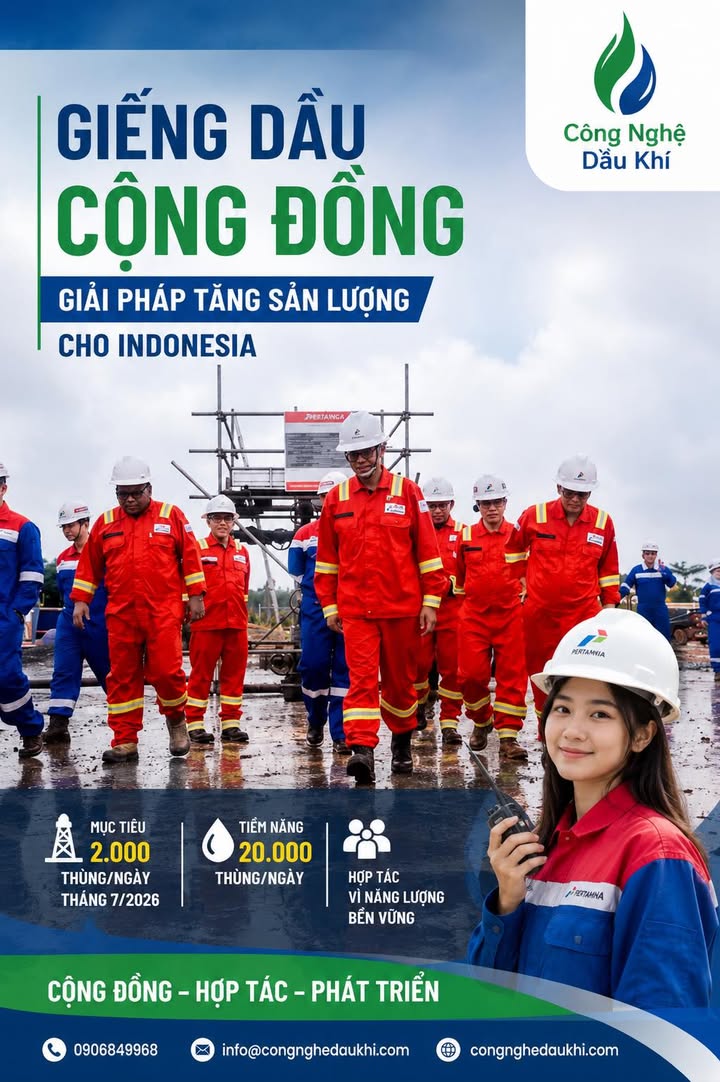
Indonesia Legalizes 45,000 Community Oil Wells in Ambitious Energy Independence Push
In a bold move to enhance energy security and reduce import dependency, Indonesia has officially legalized approximately 45,000 community-operated oil wells across the nation. This innovative strategy, unveiled on June 10, 2026, represents a significant departure from traditional energy development models by directly involving local communities in the oil extraction value chain.
The initiative, spearheaded by President Prabowo Subianto's administration, aims to tap into numerous small oil deposits that remain scattered throughout the country but have historically operated outside legal frameworks. By formalizing these operations, the government seeks to increase domestic oil production while creating economic opportunities for local communities.
The Indonesian Energy Landscape: A Growing Import Dependency
Indonesia, once a major oil exporter in Southeast Asia, has faced declining production levels in recent years while domestic consumption continues to rise. The country's energy security has become increasingly precarious as the gap between production and consumption widens.
As of 2025, Indonesia's average daily oil production stood at approximately 605,300 barrels, while domestic demand exceeded 1.6 million barrels per day. This substantial deficit forces the nation to import significant quantities of oil and refined products annually, placing considerable strain on the economy and foreign exchange reserves.
In response to this challenge, Energy Minister Bahlil Lahadalia has championed the community oil wells initiative as a means to unlock untapped domestic resources and reduce the nation's energy import bill.
Legal Framework and Operational Mechanics
The program is established under Ministerial Regulation No. 14/2025, which provides a comprehensive legal framework for community-based oil extraction. The regulation outlines several key provisions:
- Authorization for cooperatives to engage in oil extraction activities
- Permission for local businesses and small enterprises to participate
- Licensing requirements for small and medium-sized operators
- Mandate that all extracted oil must be sold to Pertamina or authorized oil contractors
- Pricing mechanism set at approximately 80% of the Indonesian Crude Price (ICP)
This regulatory approach effectively transforms informal, unregulated operations into a legitimate, state-supervised supply chain. By requiring oil to be sold through official channels, the government ensures tax compliance, quality standards, and proper resource management.
Implementation and Early Successes
The implementation of the community oil wells program has already yielded tangible results. By late 2025, Pertamina successfully completed its first transaction to purchase oil from community-operated wells in the Jambi region. This milestone marked the first time that community-extracted oil was formally integrated into Indonesia's commercial oil supply system.
The government has identified several priority regions for the expansion of the program, including Aceh, Jambi, South Sumatra, Central Java, and East Java. These areas have been subject to comprehensive assessment and licensing processes to ensure compliance with safety and environmental standards.
Production Targets and Economic Impact
The community oil wells program has established clear production milestones to measure its effectiveness and contribution to Indonesia's energy security:
| Time Period | Additional Production (Barrels/Day) |
|---|---|
| Current (June 2026) | 1,500 |
| Target (July 2026) | 2,000 |
| End of Initial Phase | 10,000 - 15,000 |
| Long-term Potential | 20,000 |
When compared to Indonesia's overall oil production target of 610,000 barrels per day for 2026, community wells could potentially contribute between 1.6% to 3.3% of total production in the initial phase, with the possibility of increasing to 3.3% at maximum capacity.
The economic benefits of this program extend beyond production figures. By involving local communities in oil extraction, the initiative creates employment opportunities, stimulates local economies, and generates additional revenue for regional and national governments through taxation and royalties.
Benefits and Challenges of the Community Model
The community oil wells approach offers several significant advantages for Indonesia's energy sector:
- Increased Domestic Production: Utilizing existing small oil deposits that larger operators might find economically unviable
- Reduced Import Dependency: Decreasing the nation's reliance on foreign oil sources
- Local Economic Development: Creating jobs and income opportunities in rural and remote areas
- Government Revenue: Generating additional tax income and royalties
- Community Empowerment: Providing local stakeholders with direct involvement in the energy sector
However, the program also presents notable challenges and risks that require careful management:
- Technical Standards: Community-operated wells may lack advanced equipment and technical expertise
- Safety Concerns: Increased risk of accidents and environmental damage without proper oversight
- Environmental Protection: Potential for oil spills and contamination if extraction and storage practices are inadequate
- Regulatory Compliance: Ensuring all operators adhere to safety and environmental regulations
Regional Implications and Lessons for Other Nations
Indonesia's community oil wells initiative represents a pioneering approach to energy development that could offer valuable insights for other countries facing similar challenges. In an era of energy transition and increasing demand for energy security, this model demonstrates how nations can leverage local resources while maintaining state oversight.
The initiative is particularly relevant for countries with numerous small, dispersed oil fields that may not be economically viable for major international oil companies. By creating a framework for community participation, Indonesia has developed a potential template for other nations to follow.
Furthermore, the program aligns with global trends toward decentralization and community-based development in the energy sector. As countries seek to balance economic development with environmental sustainability, Indonesia's experience with community oil wells could provide valuable lessons on inclusive energy governance.
Future Outlook and Sustainability Considerations
The long-term success of Indonesia's community oil wells program will depend on several factors, including effective regulatory enforcement, technical capacity building, and environmental safeguards. The government must establish robust monitoring systems to ensure compliance with safety and environmental standards while maintaining the program's economic viability.
Additionally, as the global energy transition accelerates, Indonesia may need to consider how community oil wells fit into the nation's broader energy strategy. While these wells can contribute to reducing import dependency in the short to medium term, the country should also continue investing in renewable energy sources to ensure sustainable energy security for future generations.
The community oil wells initiative represents a pragmatic approach to addressing immediate energy challenges while empowering local communities. If successfully implemented, it could serve as a model for other resource-rich nations seeking to balance economic development with energy independence.
As Indonesia moves forward with this ambitious program, the international energy community will be watching closely to assess its effectiveness and potential replicability in other contexts. The success or failure of this initiative could have significant implications for energy development strategies worldwide, particularly in developing nations with similar resource endowments.