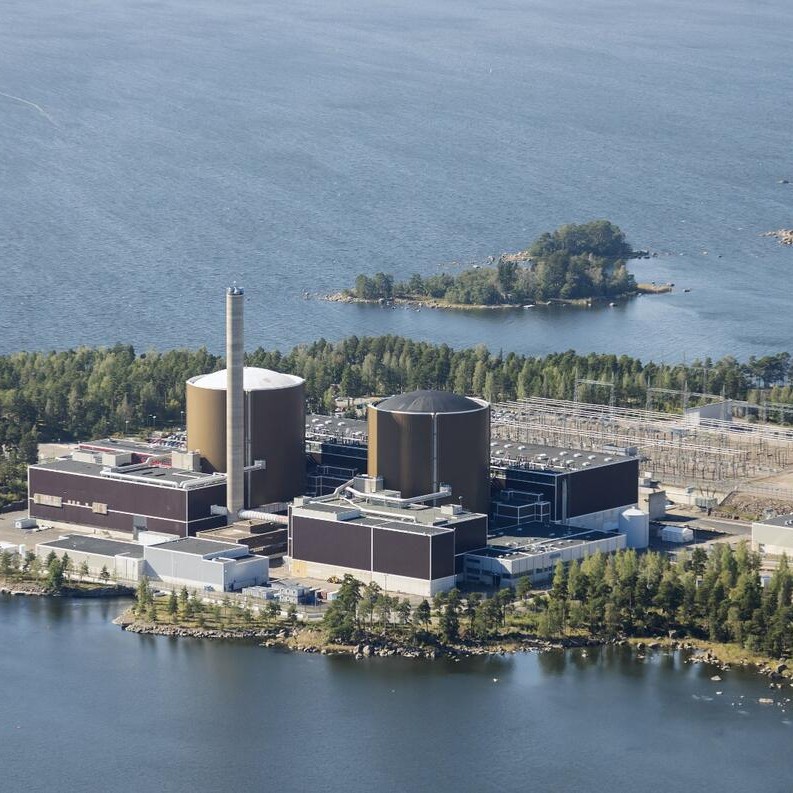
Nuclear Energy Renaissance: Europe's Strategic Shift in the Age of AI
In a remarkable turn of events, the nuclear energy sector is experiencing a powerful resurgence across Europe, with regulatory environments decisively shifting in its favor. This transformation is driven by a confluence of factors: skyrocketing electricity demand from the AI boom and data centers, ambitious climate targets, volatility in global energy markets, and the urgent need for energy independence. The convergence of these powerful forces has positioned nuclear energy as a critical solution to Europe's most pressing energy challenges.
The Nuclear Renaissance: A Strategic Imperative
Europe's energy landscape is undergoing a fundamental reorientation as nations recognize the strategic importance of nuclear power in achieving their economic and environmental objectives. The sector's revival represents not merely a policy adjustment but a comprehensive strategic reassessment of how to meet future energy needs while ensuring security, sustainability, and technological competitiveness.
Drivers Behind the Nuclear Revival
The renewed interest in nuclear energy stems from several interconnected factors that create an unprecedented opportunity for the technology:
- AI and Data Center Demand: The exponential growth of artificial intelligence has created an insatiable demand for electricity that traditional power grids are struggling to meet. Data centers require massive, reliable baseload power that can operate 24/7 without interruption—a capability uniquely suited to nuclear energy.
- Climate Commitments: With the European Green Deal and net-zero targets requiring deep decarbonization of the energy sector, nuclear power offers a proven, zero-carbon source of reliable electricity that complements intermittent renewables.
- Energy Security: The geopolitical disruptions of recent years have underscored Europe's vulnerability to energy supply fluctuations, making domestic, reliable sources like nuclear power essential for national security.
- Technological Advancement: New reactor technologies, particularly Small Modular Reactors (SMRs), promise greater flexibility, reduced costs, and enhanced safety profiles compared to traditional nuclear plants.
"Energy security in Europe is no longer a peripheral concern. Emission reduction requirements are tightening, and the surge in electricity demand driven by AI, particularly from data centers, is creating a supply gap that requires reliable, low-carbon, high-density energy—a space where nuclear energy holds a unique position," explains Ximena Vásquez-Maignan, project finance counsel at international law firm White & Case.
Investment and Transaction Surge
The nuclear renaissance in Europe is fueling a significant wave of transactions within the sector. According to market data published by White & Case and Mergermarket, a total of 25 transactions were completed in 2025, up from 17 transactions in 2024, with total transaction value reaching $1.5 billion—the highest level in seven years.
| Year | Number of Transactions | Total Value (Billion USD) |
|---|---|---|
| 2024 | 17 | - |
| 2025 | 25 | 1.5 |
| 2026 (First Half) | 10 | 3.0 |
The momentum shows no signs of abating. "Indeed, 2026 is shaping up to be similarly strong. Transaction volumes are tracking a similar trajectory to 2025, with 10 transactions announced as of June 8. But the market has noted a significant uptick in transaction value, with these 10 transactions totaling $3 billion, doubling the output for all of 2025 and surpassing annual totals in recent years," White & Case reports.
European Commission Investment
Unsurprisingly, financial resources are beginning to flow into this previously shunned sector. The European Commission is investing €330 million in the nuclear energy sector through the Euratom Research and Training Programme 2026-2027. Notably, the majority—€222 million—will be dedicated to bringing fusion energy from the laboratory to commercial electricity production. The EC aims to achieve this by deploying funding through the European Innovation Council (EIC) to de-risk private startups and invest heavily in developing specialized technical skills.
The remainder of the budget will be used to enhance the safety of existing nuclear power plants, as well as to improve long-term asset operation and radiation protection.
Focus on Small Modular Reactors (SMRs) and Micro Modular Reactors (MMRs)
Europe is also making substantial bets on Small Modular Reactors (SMRs) and Micro Modular Reactors (MMRs). These units are less expensive, faster to construct, and can be built near industrial centers or data centers. SMR development and deployment is currently supported by major EU policies, including the Net-Zero Industry Act, along with research funding through the Euratom program.
Europe's overall SMR capacity is forecast to reach up to 53 GW by 2050, nearly half of the EU's current nuclear capacity of 112 GW.
European SMR Industrial Alliance
Brussels has established the European SMR Industrial Alliance, uniting more than 350 stakeholders, including developers, end-users, researchers, and policymakers to accelerate the demonstration and commercial deployment of SMRs by 2030. The alliance has approved a five-year roadmap outlining specific actions to rebuild the nuclear supply chain, streamline regulatory frameworks, promote research skills, and expand public and private investment.
Regulatory Shifts Across Europe
European regulators are now reconsidering past decisions to phase out nuclear power, with more than 10 EU member countries now including nuclear energy in their updated energy and climate plans. European governments are rapidly reversing historical nuclear prohibitions and accelerating new regulatory frameworks to meet surging energy demands.
Country-Specific Developments
United Kingdom: A new Nuclear Regulatory Taskforce has been established to reform the regulatory framework to speed up reactor design approvals and simplify the planning process. North Wales has been selected as the site for the UK's first SMR, with development supported by a £2.5 billion investment. After being chosen by Great British Energy Nuclear as its preferred technology partner in 2025, Rolls-Royce SMR has signed significant international contracts, including multi-billion-pound agreements to build SMRs in Sweden. The UK government has also accepted applications to begin the Generic Design Assessment (GDA) for advanced reactors like TerraPower's Natrium technology, ensuring early integration of UK security and safety assessments.
Belgium: Has officially abandoned its phase-out plan. The federal parliament voted to repeal the 2003 phase-out law, suspending the decommissioning of remaining reactors and extending the operational life of Doel 4 and Tihange 3 to 2035, with a target of operating them for an additional 10 years beyond that. The Belgian government has also initiated negotiations to fully take over the country's seven nuclear reactors from French energy giant Engie. This action aims to pause decommissioning and ensure national control over energy supply.
Italy: The government is pushing legislation and drafting legal frameworks to reintroduce nuclear energy despite historical referendums that previously banned the technology. Meanwhile, both the Swiss upper and lower houses have voted to repeal the country's ban on building new nuclear power plants.
Conclusion: A New Era for European Energy
The nuclear renaissance in Europe represents more than a response to short-term energy challenges; it is a long-term strategy to ensure energy security, achieve climate goals, and meet growing demand from high-tech industries. With strong government support, significant investment flows, and innovation in reactor technology, nuclear power is returning as an indispensable component of Europe's future energy landscape.
As the continent navigates the complex intersection of digital transformation, climate imperatives, and energy security, nuclear power offers a path forward that balances reliability, sustainability, and economic competitiveness. The ongoing revival of nuclear energy in Europe may well prove to be one of the most significant energy transitions of the 21st century, reshaping the continent's energy mix and its position in the global technological landscape.