Electricity Conservation: A Strategic Lever for Sustainable Future
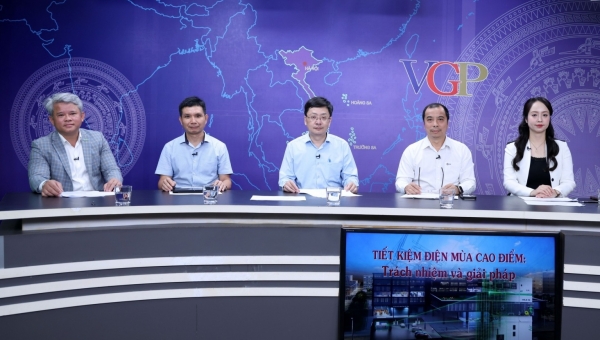
Amid escalating pressure on Vietnam's national power system amidst extreme heatwaves, rising electricity demand, and the imperative to ensure energy security for national development, the Government Electronic Portal organized a seminar themed "Electricity Conservation During Peak Seasons: Responsibilities and Solutions." This event marks a significant step in enhancing community awareness about efficient and sustainable energy use.
The Energy Challenge Context
In recent times, Vietnam has experienced prolonged heatwaves with record-breaking temperatures, leading to a surge in electricity consumption. According to statistics from Vietnam Electricity (EVN), the system's total power consumption has repeatedly reached record levels, exceeding the designed capacity of the national power grid.
This situation presents a substantial challenge for ensuring national energy security. Without effective solutions, the risk of localized power shortages could occur, impacting production, business operations, and daily life of citizens.
Electricity Conservation Seminar: "Peak Season Electricity Conservation: Responsibilities and Solutions"
To address this pressing issue, the Government Electronic Portal convened a seminar with participation from energy experts, representatives from ministries, sectors, enterprises, and social organizations. The event aimed to discuss comprehensive solutions for electricity conservation during peak seasons and to set long-term directions.
Current Challenges
During the seminar, delegates identified several key challenges:
- Prolonged heatwaves increasing demand for air conditioning and cooling appliances
- Inefficient electricity consumption structures with widespread waste
- Overloaded transmission and distribution systems in certain areas
- Limited public and corporate awareness about electricity conservation
Comprehensive Solutions
To address these challenges, the following solutions were proposed:
| Solution Category | Detailed Measures |
|---|---|
| Short-term Solutions | - Adjusting working hours for government agencies and enterprises - Encouraging electricity use during off-peak hours - Strengthening inspection and monitoring of efficient electricity use - Implementing communication campaigns to raise awareness |
| Medium-term Solutions | - Investing in upgrading transmission and distribution systems - Promoting energy-saving technology applications in production - Developing renewable energy sources - Establishing incentive mechanisms for energy-efficient equipment use |
| Long-term Solutions | - Transforming the national energy structure toward sustainability - Investing in new energy technologies - Developing electricity pricing policies that encourage efficient use - Promoting a circular economy to reduce dependence on traditional energy |
Responsibilities of Stakeholders
At the seminar, delegates emphasized the responsibilities of various stakeholders in implementing electricity conservation:
Government and Ministries
- Developing policy frameworks for efficient energy use
- Improving legal frameworks to encourage investment in energy-saving technologies
- Coordinating between sectors to ensure energy security
Enterprises
- Investing in energy-saving production technologies
- Implementing effective energy management at facilities
- Participating in public disclosure programs about energy use
Citizens
- Changing electricity consumption habits in daily life
- Prioritizing use of energy-efficient appliances with energy labels
- Participating in community electricity conservation movements
Outcomes and Expectations
Concluding the seminar, all participants agreed on the importance of electricity conservation as not merely a temporary solution but a long-term strategy for sustainable development. Specific outcomes achieved include:
- Development of detailed action plans for each sector and field
- Establishment of working groups to monitor and evaluate electricity use efficiency
- Preparation of large-scale communication programs on electricity conservation
Notably, energy enterprises committed to increasing investment in the power grid system to enhance supply capacity while simultaneously strengthening electricity conservation programs for customers.
Long-term Vision
According to participating experts, electricity conservation should be considered an integral part of the country's socio-economic development strategy. Efficient energy use not only reduces pressure on the power system but also contributes to greenhouse gas emission reduction, environmental protection, and enhancement of the economy's competitiveness.
In the context of climate change and increasing economic development demands, transitioning to an efficient and sustainable energy model is an urgent requirement. Electricity conservation is not just the responsibility of the energy sector but requires the participation of the entire society.
Conclusion
The seminar "Electricity Conservation During Peak Seasons: Responsibilities and Solutions" affirmed the determination of the government and stakeholders in addressing energy issues comprehensively and sustainably. With comprehensive solutions and societal participation, electricity conservation will become a crucial strategic solution for the country's sustainable growth.
Efficient energy use not only ensures national energy security in the short term but also contributes to building a green, sustainable economy for future generations. This is the inevitable path for Vietnam's sustainable development in the new context.