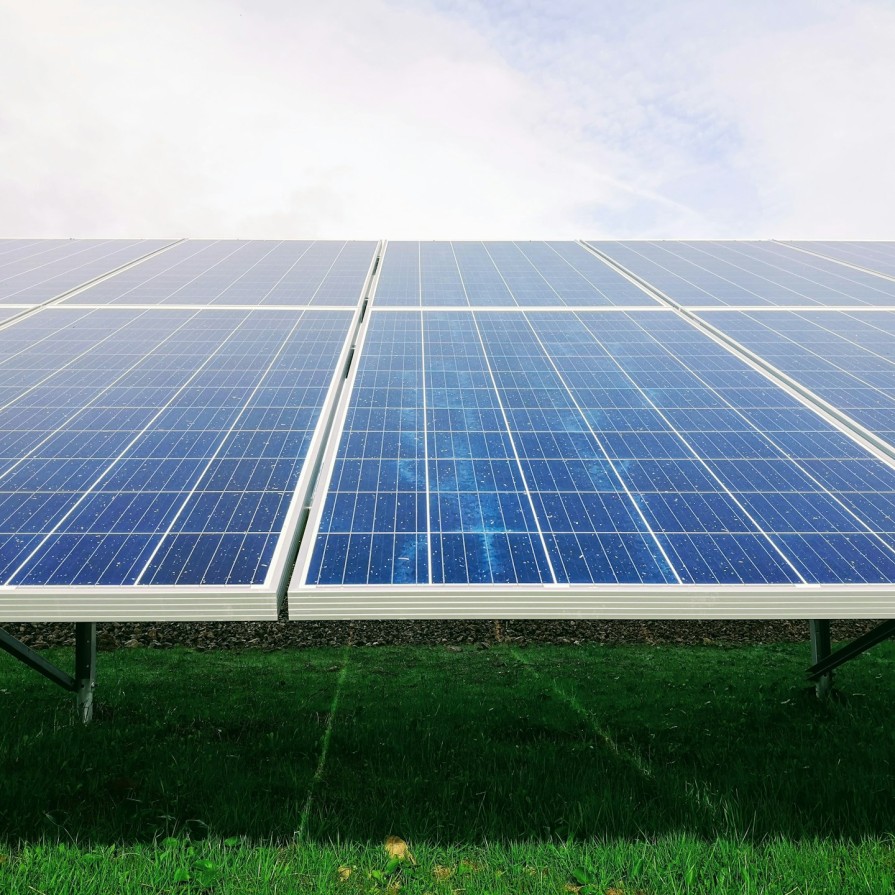
Philippines Emerges as Global Leader in Solar Energy Amid Global Energy Crisis
In the context of rising electricity prices and fossil fuel shortages, the Philippines has become the world's fastest-growing market for solar panel installations over the past three months, according to customs data cited by Reuters. This significant shift occurs as this Southeast Asian nation remains one of the hardest-hit economies in Asia by the global energy crisis stemming from Middle Eastern conflicts.
The Energy Crisis Context
Since the onset of the Iran conflict, many Asian countries have faced severe challenges in securing energy supplies. The Philippines, which heavily relies on energy imports, has witnessed skyrocketing electricity prices and tightened fossil fuel supplies. In this scenario, many Filipino households and businesses have turned to renewable energy solutions, particularly solar power, to reduce dependence on the traditional grid system.
The Solar Energy Boom in the Philippines
According to Chinese customs data compiled by Reuters, spending on solar panels in the Philippines exceeded $407 million in just three months, from March 1 to May 31 of this year. This figure has propelled the Philippines to the top position globally for rooftop solar installation growth.
Analysis by Ember, a clean energy consultancy, indicates that distributed solar energy in the Philippines has nearly doubled over the past 12 months. China exported over 3,000 MW of solar panels to the Philippines in March and April alone, demonstrating the rapid growth of this market.
The Philippines is now China's second-largest solar panel export market, second only to the Netherlands—a major hub for importing and re-exporting solar energy equipment.
| Country | Solar Energy Spending (March-May) | Global Ranking |
|---|---|---|
| Netherlands | $1.1 billion | Not applicable (transit hub) |
| Philippines | $407 million | 1 |
| Pakistan | Officially undisclosed | 2 |
The Situation in Pakistan
The Philippines is closely followed by Pakistan, another Asian economy severely affected by Middle Eastern LNG supply disruptions. Pakistan has had to negotiate with Iran to transport some LNG cargo from Qatar out of the Persian Gulf in recent weeks. Similar to the Philippines, Pakistan's energy crisis has also driven a wave of solar panel installations.
The solar energy boom in Pakistan showed clear signs before the Middle Eastern crisis. According to an Ember report last week, distributed solar energy has driven Pakistan's national electricity demand up by 21% over two years. In total, 27 gigawatts (GW) of distributed solar energy have been deployed in just two years, equivalent to the total capacity of all coal, gas, and oil power plants built to date in Pakistan.
| Time Period | Solar Energy Development in Pakistan | Impact on Electricity Demand |
|---|---|---|
| Pre-crisis | Stable growth | Moderate increase |
| Recent 2 years | 27 GW deployed | 21% increase |
| Current | Explosive growth due to crisis | Sharp increase |
Challenges Ahead
Despite the promising outlook, the solar energy boom in the Philippines faces several challenges. High initial costs for Filipino households and supply chain issues remain significant barriers. Installing solar systems requires substantial upfront investment, which can be prohibitive for many low-income families.
Additionally, global supply chain problems continue to impact the solar energy sector. The COVID-19 pandemic and geopolitical conflicts have disrupted production and transportation of solar equipment, slowing deployment in many countries.
| Challenge | Impact Level | Proposed Solutions |
|---|---|---|
| High initial costs | High | Financial support policies, preferential loans |
| Supply chain issues | Medium | Diversify supply sources, increase domestic production |
| Grid infrastructure | Medium | Invest in grid upgrades, develop energy storage |
The Future of Solar Energy in Asia
The solar energy booms in the Philippines and Pakistan indicate a strong shift toward renewable energy across the Asia-Pacific region. As countries continue to face energy price volatility and supply uncertainties, distributed solar power is emerging as a more viable and sustainable solution.
Energy expert Charles Kennedy from Oilprice.com noted that despite challenges, the outlook for solar energy in Asia remains optimistic. "Governments in the region need to continue supporting through incentive policies, tax reductions, and simplified procedures to promote sustainable development of the solar energy sector," Kennedy stated.
The Philippines and Pakistan could serve as models for other countries in the region on how to leverage solar energy to address energy crises and promote sustainable development. With appropriate government support and private sector involvement, solar energy could become a cornerstone of Asia's energy structure in the coming years.
#SolarEnergy #ClimateChange #EnergyTransition #CleanEnergy #Philippines #Pakistan #MiddleEast #DistributedEnergy #RapidDeployment #GlobalEnergy