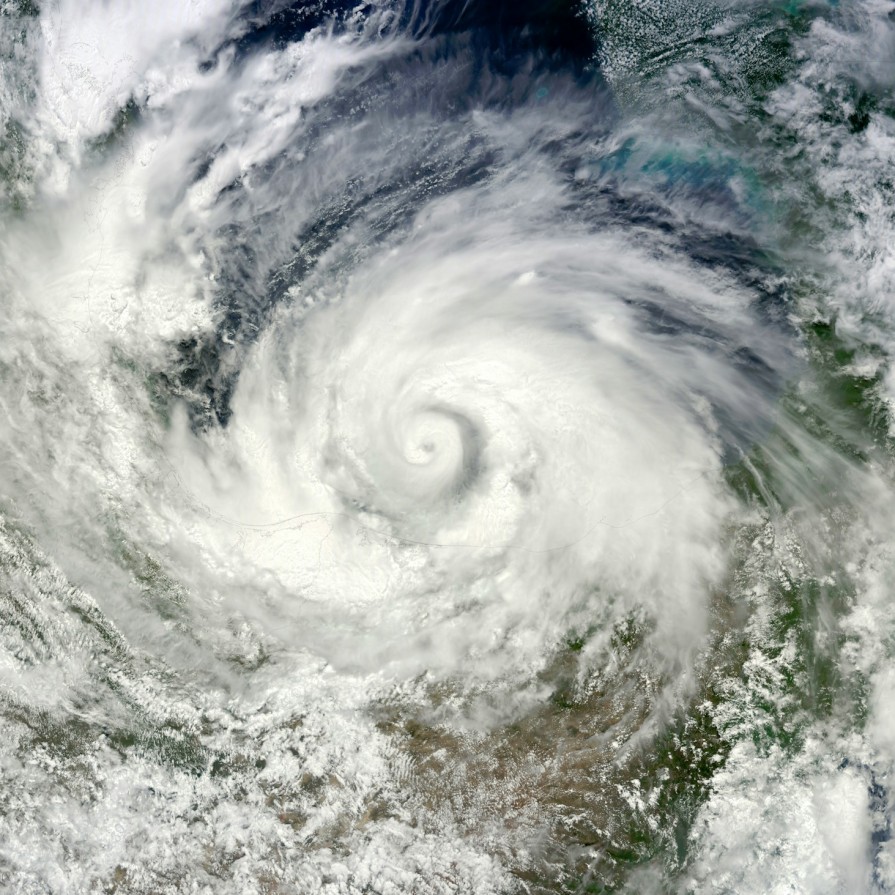
Warning of Food Inflation Risks from Super El Niño Phenomenon
Rory Green, chief China economist at TS Lombard, has recently warned that the Super El Niño phenomenon could pose significant risks to global macroeconomic and food inflation in various regions worldwide. In a note titled "Super El Niño Famine Follows War," Green emphasized that war-related disruptions in energy and fertilizer markets, combined with adverse weather conditions, could create a "perfect storm" for global food prices.
Global Economic Implications of El Niño
"Generally, El Niño increases temperatures and exacerbates both droughts and heavy rainfall," Green stated. "For the global macroeconomy, this represents an inflation shock through the food price channel—a shock that will be amplified by high fertilizer costs due to the war."
| Region | Growth Risk | Inflation Risk |
|---|---|---|
| India | High | High |
| Brazil | Moderate | High |
| Mexico | Low | High |
In his report, Green highlighted that India is the most sensitive country to both growth and inflation risks, reinforcing the rationale for maintaining low allocations to Indian assets in investment portfolios.
The Progression of Super El Niño
In recent weeks, the Japan Meteorological Agency became the first official meteorological body to declare the emergence of a Super El Niño in the tropical Pacific. If this forecast proves accurate, the adverse climate disruptions could persist for 2 years or more, increasing the risks of droughts, floods, reduced crop yields, and rising food prices in major agricultural regions.
Impact on India
The India Meteorological Department recently warned that El Niño conditions will intensify during the crucial monsoon season, which accounts for 75% of the country's annual rainfall. The forecast for the June-September monsoon is 90% of the long-term average, and if this materializes, India could face its worst monsoon season since 2015.
A weak monsoon would exacerbate the challenges facing India's import-dependent economy amid rising global oil prices. Rising food and fuel prices have pushed the Consumer Price Index (CPI) up to 3.9% year-on-year in May, from 3.5% in April.
| Indicator | April | May |
|---|---|---|
| CPI (%) | 3.5 | 3.9 |
| Food inflation (%) | - | 4.8 |
Impact on Brazil
Super El Niño could increase inflation in Brazil, but the country is better prepared for extreme weather than in previous years. In southern Brazil, rainfall, the number of severe storms, and storm intensity tend to increase, while northern and northeastern regions typically experience drier conditions.
El Niño also adds uncertainty to economic prospects. Electricity prices could rise further if dry weather affects water levels in reservoirs, forcing the National System Operator to maximize the use of thermal power plants.
Impact on Mexico
The most immediate impact could come from agricultural commodity prices. Adverse weather conditions have already reduced agricultural output, and agricultural prices have surged, with agricultural inflation reaching 14.33% during the 2023-24 El Niño period.
The Bank of Mexico cut interest rates to 6.5% in May and indicated that the rate-cutting cycle may have ended, although a strong El Niño could increase agricultural inflation that monetary policy might struggle to offset.
Conclusion
Green's note builds on a report published earlier this month by UBS, warning that El Niño risks could push food inflation higher across Asia. Analysts at Bank of America have also warned that the energy shock in recent months could impact food inflation by the end of this year.
While some investors are pulling back from equity markets, the tax exemption announced for foreign bond investors is attracting capital into the domestic debt market.