Exploring Hanoi's 100-Year Vision Through Revolutionary 4D Urban Planning Exhibition
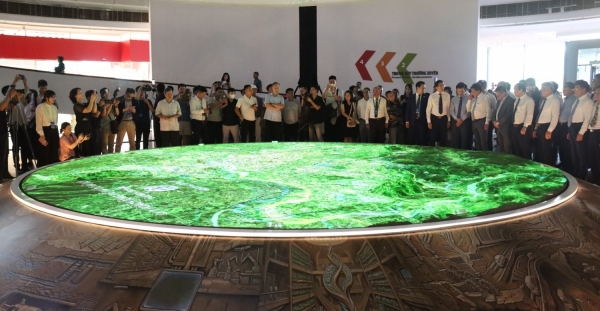
In a groundbreaking fusion of technology and urban development, Hanoi Museum recently hosted an innovative exhibition showcasing the capital city's comprehensive 100-year urban planning vision. Utilizing cutting-edge 4D technology, the exhibition held on June 29th offered residents and visitors an immersive experience into the future of one of Southeast Asia's most rapidly developing capitals.
The Significance of Long-Term Urban Planning
Urban planning on a centennial scale represents a forward-thinking approach to city development, aiming to create sustainable, livable environments that can accommodate future generations while preserving cultural heritage. The 100-year planning vision for Hanoi focuses on sustainable development, enhanced quality of life, and the creation of a modern yet environmentally friendly urban landscape.
This comprehensive planning framework addresses critical aspects of urban development including infrastructure expansion, green space preservation, transportation networks, housing solutions, and economic zones. By visualizing these plans through advanced technology, city planners can better communicate complex development concepts to the public and gather valuable feedback.
Revolutionary 4D Technology in Urban Visualization
The exhibition employed state-of-the-art 4D technology to transform static urban plans into dynamic, interactive experiences. Unlike traditional 2D maps or 3D models, 4D technology incorporates the element of time, allowing viewers to witness how the city will evolve across different decades.
This technological approach enables visitors to:
- Experience temporal progression of development projects
- Observe how infrastructure changes will impact daily life
- Understand the phased implementation of large-scale projects
- Visualize the long-term impact of current planning decisions
The integration of 4D technology in urban planning represents a significant advancement in public engagement with city development processes, making complex planning concepts accessible and engaging to diverse audiences.
Key Features of the 4D Planning Exhibition
The exhibition showcased several remarkable features that enhanced visitors' understanding and engagement with Hanoi's future development:
- Immersive Visualization: High-resolution projections displayed detailed representations of future urban landscapes, architectural developments, and infrastructure projects with remarkable clarity and precision.
- Interactive Elements: Touchscreen interfaces allowed visitors to explore different aspects of the planning model, zoom in on specific areas, and access detailed information about individual projects.
- Time-Progression Capability: The 4D technology enabled viewers to see how the city would transform across different decades, illustrating the phased development approach.
- Comprehensive Information Integration: Each development concept was accompanied by detailed information including timelines, investment figures, environmental considerations, and social impacts.
- Comparative Analysis: Visitors could compare current urban conditions with proposed future developments, highlighting the scope and scale of planned changes.
Community Engagement and Public Response
The exhibition served as a vital bridge between government planners and the general public, fostering unprecedented levels of civic engagement in the urban development process. Visitor feedback has been overwhelmingly positive, with many expressing appreciation for the opportunity to visualize and understand the long-term vision for their city.
"Seeing how our city will transform over the next century helps me feel more connected to the development process," commented one visitor. "It's exciting to imagine the possibilities while understanding the challenges that come with urban growth."
The interactive nature of the exhibition encouraged meaningful dialogue between citizens and planners, with many visitors taking the opportunity to provide feedback and suggestions. This participatory approach aligns with global best practices in urban planning, where community input is increasingly recognized as valuable in creating truly people-centered cities.
Planning Framework and Development Priorities
The 100-year planning vision for Hanoi is built upon several core principles and development priorities:
- Sustainable Growth: Balancing economic development with environmental preservation and social equity
- Heritage Conservation: Preserving historical and cultural landmarks while accommodating modern development
- Green Infrastructure: Expanding green spaces, improving air quality, and enhancing urban biodiversity
- Smart Transportation: Developing integrated public transit systems to reduce congestion and improve mobility
- Climate Resilience: Building infrastructure capable of adapting to climate change impacts
The exhibition effectively communicated how these principles would be translated into concrete development projects across different districts and zones of the city.
Technological Innovation in Urban Planning
The use of 4D technology in this exhibition represents a significant advancement in how urban planning concepts are presented and communicated. Traditional planning methods often relied on static maps, architectural drawings, and verbal descriptions—approaches that could be difficult for the general public to fully comprehend.
4D technology addresses these limitations by:
- Creating accessible, engaging representations of complex planning concepts
- Allowing for exploration of different development scenarios
- Facilitating better understanding of spatial relationships and scale
- Enabling visualization of temporal aspects of development
This technological approach not only enhances public engagement but also aids planners in identifying potential challenges and opportunities in the development process.
Global Context and Urban Development Trends
Hanoi's approach to long-term urban planning reflects broader global trends in sustainable city development. Cities worldwide are increasingly adopting comprehensive, long-term planning frameworks to address challenges such as population growth, climate change, and resource scarcity.
The integration of advanced visualization technologies in planning processes represents a growing international practice, with cities like Singapore, Barcelona, and Copenhagen utilizing similar approaches to engage citizens in development processes.
"Hanoi's exhibition places it among the world's most forward-thinking cities in terms of participatory planning," noted urban development expert Dr. Nguyen Van Minh. "By embracing both comprehensive planning and innovative presentation methods, the city is setting a standard for urban development in the 21st century."
Future Implications and Development Trajectory
The successful implementation of this planning vision will have far-reaching implications for Hanoi's development trajectory. Key areas of focus include:
- Economic Development: Creation of specialized economic zones and innovation districts
- Residential Expansion: Development of sustainable housing communities with integrated amenities
- Transportation Evolution: Comprehensive network of metro lines, bus rapid transit, and cycling infrastructure
- Environmental Enhancement: Restoration of water bodies, expansion of urban forests, and implementation of green building standards
- Cultural Preservation: Adaptive reuse of historical areas and integration of cultural elements in new developments
The exhibition not only showcased these ambitious plans but also invited public input, recognizing that successful urban development requires collaboration between government, planners, and citizens.
Conclusion: A New Era in Urban Development
The 4D exhibition of Hanoi's 100-year urban planning vision represents more than just a technological showcase—it embodies a new approach to city development that prioritizes transparency, participation, and long-term thinking. By making complex planning concepts accessible and engaging, the exhibition has fostered greater public understanding and involvement in shaping the city's future.
As Hanoi continues to grow and transform, this planning framework will serve as a guiding document to ensure development occurs in a sustainable, equitable, and forward-thinking manner. The success of this exhibition suggests a promising future for public engagement in urban planning processes, both in Hanoi and in cities worldwide.
As one exhibition attendee noted, "This isn't just about seeing what our city might become—it's about understanding how we can all contribute to making that vision a reality." This sentiment captures the essence of what makes this approach to urban planning so valuable: it transforms passive observation into active participation in the shared future of our urban environments.
| Event Information | Details |
|---|---|
| Event Date | June 29 |
| Location | Hanoi Museum |
| Technology Used | 4D Visualization |
| Focus | 100-Year Urban Planning Vision |
| Key Features | Interactive models, time-progression visualization, comprehensive project information |
| Target Audience | General public, urban planning professionals, stakeholders |
The exhibition of Hanoi's 100-year urban planning vision through 4D technology marks a significant milestone in how cities engage with their residents about future development. By combining innovative presentation methods with comprehensive planning frameworks, Hanoi has demonstrated a commitment to creating a future that is both technologically advanced and deeply connected to the needs and aspirations of its people.